
Where the Compassion Method Began (and Why It Matters)
There’s something powerful about knowing where something comes from.
Especially when it comes to healing.
Because not all methods are created equally, and not all approaches carry the same heart.
The Compassion Method isn’t something I created.
It’s something I’ve been deeply impacted by. Something I’ve experienced personally, and something I now have the privilege of walking others through.
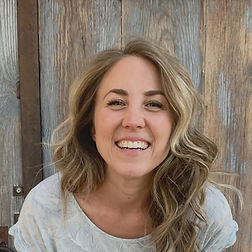
And at the heart of it…is a woman named Laura Duncan.
Where It All Began
The Compassion Method was born out of a deeply personal journey.
After the loss of her husband, Laura Duncan found herself searching for a way to navigate overwhelming grief, not just for herself, but for her family.
In that process, something unexpected surfaced.
Beneath the grief…there were deeper layers.
Unprocessed pain. Old wounds. Parts of her story that had never been fully seen or held.
And within that, she became aware of something many of us don’t realise is there,
A younger part of herself. A little girl who had not received the compassion, nurturing, and care she needed.
The Beginning of the Compassion Journey
What followed wasn’t a quick fix.
It was a journey.
A process of:
feeling what had been buried
receiving comfort instead of suppressing pain
and gently reconnecting with parts of herself that had been silenced or left behind
Piece by piece, she began to meet herself with compassion.
“Piece by piece, I learned to meet myself with compassion and return to wholeness.”
And through that process…something began to restore.
Not just relief from pain, but a return to wholeness.
Why This Matters
What Laura discovered is something many of us are only just beginning to understand:
That healing doesn’t come from pushing past our pain, but from turning toward it with compassion.
That within each of us are parts that are still waiting to be:
seen
understood
and cared for
And when those parts are met in the right way…
Everything begins to shift.
A Different Approach to Healing
Many of us have been taught that change comes through:
trying harder
thinking differently
or pushing past what we feel
But the Compassion Method offers something different.
Instead of asking:“How do I stop feeling this?”
It gently invites:
“What is this feeling trying to show me?”
Not to analyse yourself. Not to fix anything.
But to understand.
And that changes everything.
Why It Works
This approach aligns with how we’re actually wired.
When you meet yourself with curiosity and compassion:
your nervous system begins to settle
your brain becomes more integrated
and you’re able to access your grounded, adult self again
This is where real change happens.
Not through force, but through safety.
Honouring the Source
I believe it matters to honour where this work comes from.
Because what Laura Duncan has created is not just a framework,
It’s a deeply compassionate way of engaging with the human heart.
If you’d like to explore her work more deeply, I would gently recommend:
These resources offer a deeper understanding of:
why we react the way we do
how our inner world is shaped
and how compassion becomes the pathway to healing
How I Use the Compassion Method
In my own work, I use the Compassion Method to create a safe, grounded space where you can:
explore what’s really going on beneath the surface
understand your patterns without judgement
and begin relating to yourself with greater clarity and care
You don’t need to have the right words.
You don’t need to have it all figured out.
You just need a willingness to be honest…and a space where that feels safe.
This Isn’t About Fixing You
Because you’re not broken.
This work isn’t about becoming someone else.
It’s about gently uncovering:
what’s been held
what’s been learned
and what’s been needed all along
So you can begin to experience:
more peace
more connection
and more of your true self
If something in you is drawn to this…
You don’t need to rush. You don’t need to force anything.
But you can take a step toward understanding yourself in a way that feels safe and compassionate.
And if you’d like someone to walk alongside you in that process,
I’d love to support you.


Comments